
We're an affiliate
We hope you love the products we recommend! Just so you know, we may collect a share of sales or other compensation from the links on this page. Thank you if you use our links, we really appreciate it!
Safe Place – Your cat has been part of the family for some time now, and you should try to understand how this interaction with the new dog may go. A cat should be able to safely get away from the area if it’s not comfortable with the situation.
Cornering a cat will not end up well, and a place that is off the floor would be ideal. If your cat knows it has a few different safe places, then it is more likely going to be adventurous.
Gates – This can be very helpful for the cat to have a safe place in the house, and can simply jump over if he feels the dog is bothering him too much. This can be found in any Walmart or any store that has a baby department.
Trial Run – If you are getting the dog from a shelter, try explaining to them the situation. See if they will allow you to borrow the friendly dog for a few days, this could give you enough information to indicate if this match will work.
Prevention – The do’s and Don’ts
Forcing Interaction – Forcing a cat to interact with the new dog is a bad idea. Trapping your cat in the same room, or holding it close to your new pet won’t win you any awards. You will be more likely to be responsible for this not going so well. Let the cat decide when the right time is to meet the new dog.
A Cat’s Domain – You need to provide a safe location for your cat before the dog shows up. This is important if you want it to work out.
Do your research – Making sure you pick the right pet is important. There are several things to consider when buying a dog, and making sure it’s likely to get along with the whole family, and should be the number one thing to consider.
Pet’s reaction – If you don’t consider this, then owning a new pet might not be a good idea. You need to think about how your cat is going to react. This will come as a surprise to your pet, and will likely not be happy about this new addition.
You need to make sure that you’re not just randomly buying a dog, and throwing it into the mix hoping everything will work out. Do your homework, find out which dogs are more likely to work well with cats, finding out the history, and if it has got along with cats in the past.
Adding both pets while they’re young, and at the same time would be ideal. Since you are here, I’m assuming that this isn’t an option. Now, let’s take a look at some large dog breeds that are good with cats.
Signs of Aggression to Look Out for
Cats normally don’t show signs of aggression without a good reason. There are several reasons for this to happen, but the most likely one will be from the stress you will be caused by introducing a new dog.
These feline pets are very visual animals, and they will have lots of clues that are easy to identify.
In Cats:
- Staring directly
- Hair sticking up on the back end of the cat
- Quick to swat with its paws
- Hissing and growling
- A stiff upright stance
Dogs can be similar to how they perceive a threat, so watching closely will help you recognize if there is a potential problem.
In Dog:
- Ears resting back on the head
- Barking or growling
- Direct staring
- Showing teeth
- Stiff body posture
A pet may be fearful of a new animal or may want to establish dominance and protect what it has grown accustomed to. Whatever the reason, you need to quickly diffuse the situation if needed.
Some of the Top Dogs for Cats
1. Golden Retriever – They have been added to the top of the list for good reason. Golden Retrievers are well known for living in the same dwelling as cats and have been doing well with this throughout the country.
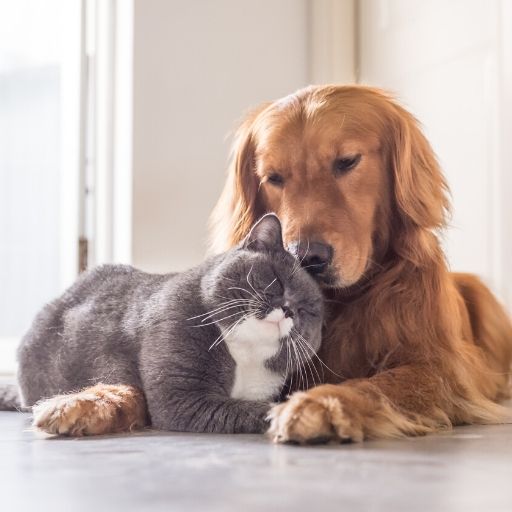
Qualities:
- Friendly
- Trustworthy
- Intelligent
- Kind
The fact that they are generally mild-tempered, and make a great family dog, these dogs tend to do well with other pets. They are very playful but can be gentle when needed.
This dog can form good bonds with people and pets and is certainly a pet to consider when considering compatibility.
2. Labrador Retriever
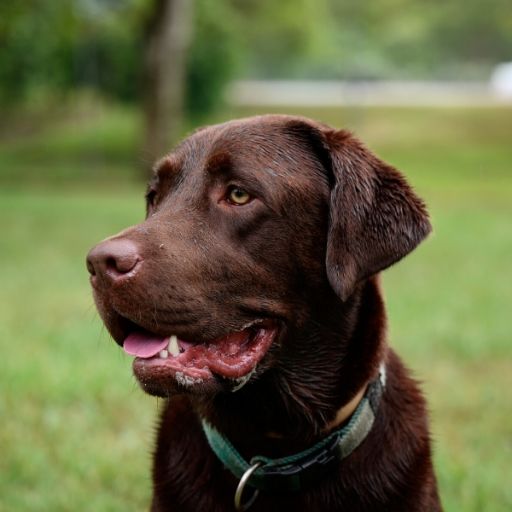
– Here’s another good choice, these dogs typically get along well with cats.
Qualities:
- Kind
- Even-tempered
- Gentle
- Trusting
If your Labrador is properly trained, then there’s a better chance of this working out. Cats naturally will want to run away, so teaching your dog not to chase your feline friend might help your family pet adjust more easily to the new canine.
3. Newfoundland – This is a dog that might get along with your pet. They make a great family dog and are known to get along with cats.
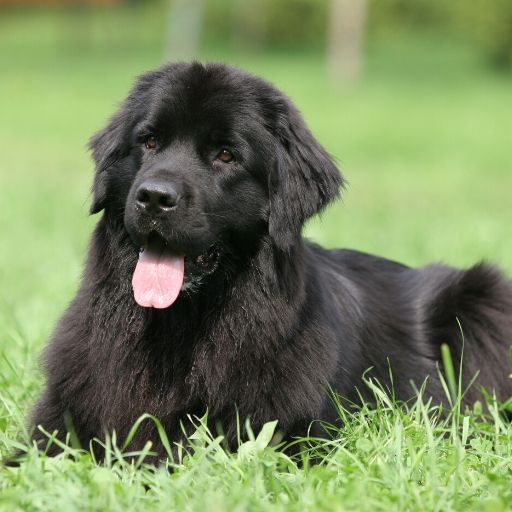
Qualities:
- Intelligent
- Trainable
- Soft tempered
- Gentle
The Newfoundland dog has a calm, loyal, and sweet temperament. While these dogs are great around children, their weight and size can unintentionally be a problem for smaller kids. This dog should make an interesting addition, but don’t forget to take the necessary steps to help your cat adjust to this massive dog.
4. German Shepherd – These intelligent dogs are fairly easy to train and can get along with cats, but proper training can be helpful. Always use caution when making introductions, so the likelihood of everything working out well is possible.

Qualities:
- Courageous
- Loyal
- Intelligent
- Obedient
These active dogs are curious and eager to learn. They are very protective of their home and family. If properly trained, your cat and this new Shepperd may become lifelong friends.
5. Great Dane – This easy-going dog shouldn’t have any issues with meeting the new cat, so don’t let the size of this gentle giant discourage you from considering the Great Dane as a good choice for your cat.
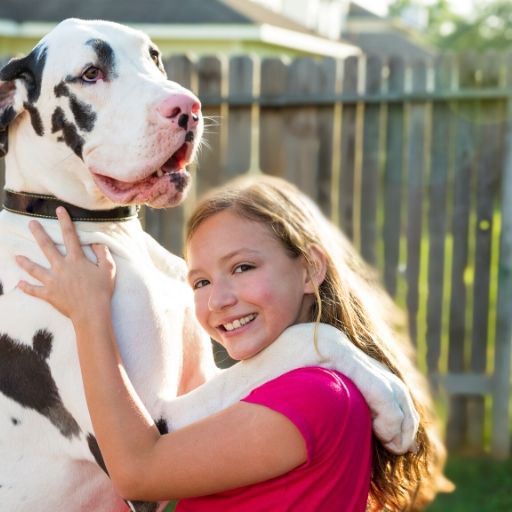
Qualities:
- Kind
- Loving
- Gentle
- Devoted
If a Great Dane is properly trained it can make a great family pet, and shouldn’t have any problem getting along with other animals in the house.
6. Bernese Mountain Dog
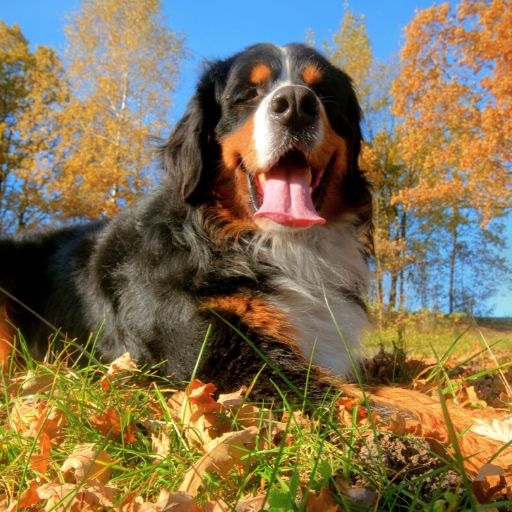
Here’s a fun-loving dog that loves the outdoors, and also makes a great family pet. This dog should have no problem being around a cat, or even another dog, but teaching them at a young age will help improve the chances of these pets learning to accept each other.
Qualities:
- Quick learner
- Faithful
- Affectionate
- Loyal
The Bernese Mountain Dog is very protective of family members and is great around children. Make sure you give them their own space inside for resting, or you risk giving up yours. Great for the whole family…cats included.
More Helpful Tips
You certainly want this new dog to get along with your family pet. Any steps you can take to making this happen is a good idea. We’ve put together a list of ways to help your pets get along under one roof.
Here are some things to consider before deciding on what dog to buy.
Exercise – Help your new friend burn off some of that energy. After you have tried tiring out the dog, then he will be less likely to be overactive when meeting the family cat.
- If the dog isn’t as energetic around the cat, then the cat may be less stressed. This may help improve the interaction between the two.
Training – This will be very important, otherwise your new dog isn’t going to learn the boundaries. If you see your new pet doing something wrong, don’t ignore it, and let them know what they did won’t be tolerated.
- They need to learn like everyone else, so let them know right away before it becomes a habit.
Leashing – It may be a good idea to have a leash on your new pup or older dog. Give them a little slack, you don’t want to give them the impression that they need to be restrained.
- Let them behave as they would, but make sure you’re quick to take control of the interaction doesn’t go well.
Strong Enough – Will you be able to handle the strength of this new pet you brought into the house? You need to know what to do if something goes wrong.
- The sooner a dog learns some commands and obedience, the more likely you will have some form of control when needed. Dogs need to be taught what not to do.
- Let your dog know when they’ve done something wrong, but also tell them if they’ve done something right.
Cats Claws – Keeping this in mind when having them interact is important. Your new dog may not be the problem but may risk injury from the cat’s claws when trying to introduce itself.
- Your cat may already be declawed, so this won’t be an issue. Maybe you’re considering declawing your cat? If you go this route, you need to remember it will not be able to properly defend itself, so you will no longer be able to let your furry fluff ball outside.
Aggressive – Choose a dog that is not well known for not being aggressive towards other animals, otherwise you can risk serious injury to your cat.
- Many dogs are well known to prey on small animals, so be cautious when trying to pick the perfect breed to match up with your cat.
Feed Both in Different Locations – Give your pets time to adjust to one another. In time they might become more comfortable with each other.
Time Apart – Keeping them apart can be helpful. This will allow them to smell the new animal, but keep them safe.
- Eventually, their curiosity will get the better of them and may initiate an interaction. Slow and steady may be what they need to make this new relationship work.
Patience – You need to realize that some things take longer than others. When bringing a new pet into the home, it may not go smoothly as you were hoping. Over time, they will want to know more about each other, and will naturally want to investigate.
Conclusion
Many dogs have the potential for getting along with a family cat. This list was for the top large dog breeds that are good with cats, but there are certainly other dogs out there that can get along with other pets no problem. How each dog is treated and properly trained will have a big impact on how they will behave.
You also need to realize that some pets will never get along. Even with your best effort, sometimes it just won’t work out.
Make your best attempt at improving the chances of this interaction to work. This may take some time, but if done right, these pets may become good companions for one another.
If you found this information helpful, please take a look at everythingbigdogs.com for more useful info.

