We're an affiliate
We hope you love the products we recommend! Just so you know, we may collect a share of sales or other compensation from the links on this page. Thank you if you use our links, we really appreciate it!
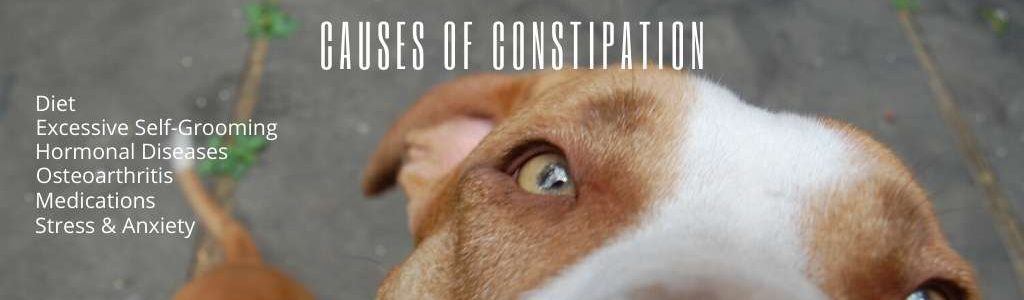
When a dog has constipation and how to help them
This is certainly a problem most of the population can relate to, but the real question is how to help a dog with constipation?
The first thing you’ll need to do is figure out how serious your dog’s constipation is. If your dog has stopped eating, hasn’t had a bowel movement in several days, and is showing signs of a distended belly, call your local veterinarian.
But, if this is nothing more than mild constipation, then you will find out more about it below.
Table of Contents
Symptoms of constipation in canines
A dog may be constipated if it’s been several days since he has gone poop, and any bowel movement he does have seems to be hard and without any moisture.
Also, if your pet starts having difficulty, or appears near impossible for them to pass stool, then this may be an early sign that something is wrong.
There are numerous reasons why a dog can be constipated, but let’s take a look at some of the symptoms they can have.
Canine Constipation Symptoms
Crying during a bowel movement
Refusing to eat
Several days without going poop
Lack of energy
Hard and dry stool
Vomiting
Weight loss
Bloating
Constipation that’s not severe will likely clear up for your dog on its own.
Have you noticed any changes in how your dog behaves? Pay close attention to signs of pain and discomfort.
However, if this seems to happen frequently or appears your dog has had this for too many days, then make an appointment to have your dog checked.
Make sure to write everything down. Even if you think it’s not important, it may give your vet a clue as to why your dog is constipated.
What causes constipation in dogs?
-If your dog is straining to go and appears uncomfortable or in pain, he may be suffering from a bowel obstruction that needs medical attention.
-If your dog isn’t straining to go but has had less than one bout of diarrhea per day, it’s likely constipation.
-Common causes of constipation are lack of water intake, lack of exercise, having insufficient fiber in the diet, or too many dairy products. -Medications, stress & anxiety, or an existing health condition.
You can tell when your furry friend is happy and you also know when something seems off about them.
There’s a large variety of reasons for a dog to suffer from motility issues.
Here are some of the top reasons your canine can’t poop.
Diet
This is usually the biggest culprit. Check to see if there has been any new food introduced recently. Correcting your dog’s diet may resolve this issue and start getting everything functioning properly again.
Does rice cause constipation in dogs?
- Yes, rice can contribute to your dog’s bowels not moving. Try giving your pet a tablespoon of canned pumpkin.
- Originally published on the PetMD blog, this piece regards the topic of rice and dogs. Dogs are prone to constipation, which can be caused by a deficiency in their diet. However, rice is high in fiber and water content – it’s hard for your dog to digest at its natural rate. Canned pumpkin is more easily digested by your pooch than a plate of steamed rice so give your pet some pumpkin for a change!
The remedy above is for mild constipation. Home remedies for constipation can be found further down. Talk to your vet for more serious issues.
Excessive grooming in dogs
If your dog cleans themselves a lot, then there’s a good chance they may be digesting too much hair, which will cause it to end up in the stool and can contribute to constipation. This can be a very frustrating problem to deal with, and it’s important to understand what is causing it so you can treat it properly.
Excessive grooming in dogs is a common problem among all types of breeds, and for many different reasons. If your dog over-grooms, they could be eating too much hair or may have a digestive disorder that causes them to groom in order to try and feel better. Copyright of everythingbigdogs.com
Hormonal diseases in dogs
Hypothyroidism in dogs is when the thyroid gland doesn’t produce enough of the hormone thyroxine. This condition can result in some or all of these symptoms:
Symptoms of hypothyroidism in dogs
– Weight loss
– Difficulty losing weight
– Pacing or difficulty in relaxing
– Shaking of the head
– Abnormal, excessive thirst
– Abnormal, difficult urination and/or increased frequency of urination
– Depression or lack of energy (tiredness)
– Increased appetite. The dog may not be as hungry as he should be. He might eat even when he is only halfway done eating…
-Excessive drooling. The dog might appear to drool more than usual…
-Constipation
The typical treatment for hypothyroidism is a dose of synthetic thyroxine that will increase the amount of thyroxine in your dog’s system. Regular thyroid testing is also needed to ensure dosage adjustments are made as needed.
A veterinarian is the only way to diagnose hypothyroidism.
Treatment for hypothyroidism may not eliminate all symptoms of the condition, but it can help your dog live a healthier, happier life.
Osteoarthritis and constipation for dogs
This common degenerative joint disease can be a painful experience, which may discourage a dog from having a bowel movement.
Osteoarthritis in dogs refers to the degeneration of joints. This is a progressive disease that leads to lameness, difficulty breathing, weight loss, and pain in affected joints. The disease usually starts from one or two joints and then slowly spreads throughout the rest of the body.
In some cases, it can be treated with medications and surgery but there is no cure for this irreversible condition that may cause serious complications such as chronic pain or joint collapse.
Can Medications cause motility issues?
If your dog is taking antihistamines, pain relievers, or some other type of prescription. This can contribute to being the culprit of your canine’s discomfort.
Can a dog get constipated from stress and anxiety?
If your dog is stressed and anxious, then it’s likely that it can also be dealing with constipation.
Critical signs of stress in a dog
– Excessive licking of paws
– Panting
– Loss of appetite
– Excessively chewing on things
– Excessive scratching or licking at themselves
– Constant barking
– Destroying furnishings, and so on.
Every dog owner is familiar with the feeling of panic when their dog seems to be showing signs of stress. The sudden change in behavior from a normally calm and collected dog can be scary, especially for new dog owners who don’t know what to do.
How to help a stressed dog
-If your dog is panting excessively take them inside and keep them there for a few hours. This will reduce their stress levels.
-If your dog hasn’t been exercised in a while, take them for a walk before the situation gets worse.
-If your dog is uncomfortable with fetch and/or playing, try a different exercise or treat for 15 minutes and see how he responds. If it doesn’t work, then it may be time to call the vet.
How to help a stressed dog:
Gather information about how your dogs respond to certain stressful scenarios so you can help them with any problems they might be having now or in the future.
Exercise for a Constipated Dog
Exercise is great for you, but it’s also great for your dog. We all know it has the ability to lower our stress, and it has the same effect on your four-legged friend.
The more they exercise, the better your pet will start feeling. We could all benefit from the feel-good chemical serotonin, so take your dog out for a run, walk, or anything else that you can do to get the blood flowing.
Can a dog poop with an obstruction?
Dog’s have a bad habit of sticking their nose where it doesn’t belong, and will almost stick anything in their mouth.
This canine’s misguided nature will result in eating things that don’t belong to them. Toys, rocks, and garbage are just a few of the things they can inhale.
Once they’ve eaten some of these things, now it will make its way into the intestinal system. This is where the risk of intestinal blockage may present itself.
If this is what happened, immediate attention is required from your veterinarian.
How to help a constipated dog?
Stool softener
Some dogs will get constipation, and a veterinarian may suggest trying a stool softener as a solution for your dog’s rare issue.
Your vet may or may not recommend a product designed for people, though the dosage would be for your pet. Copyright of everythingbigdogs.com
Over-the-counter drugs can be dangerous, and never give your dog one of these stool softeners without the consent of your vet.
If you want something that you can use for your dog, take a look at this Stool Softener Here At Amazon.
A Laxative for your canine?
When things aren’t moving, your dog won’t be feeling very well. Bulk-forming laxatives can be very helpful in alleviating their issue.
They have the ability to absorb a lot of water and expand through the colon. This will allow the stool to be softer and larger as it travels in the system.
Psyllium Husk for dog constipation
Psyllium husk is a common fiber supplement for constipation in humans, and can also be easily blended into their food.
If you have a hard time getting your dog to eat psyllium husk, try mixing it with wet food.
Talk to your vet for appropriate instructions.
Wheat Bran
Here is another natural laxative that is loaded with fiber.
This will keep your dog’s system functioning properly. Depending on
How big your dog is, a few teaspoons twice a day may be all you need.
Pumpkin to get things moving
This was mentioned earlier and for good reason. Pumpkins water content and high fiber make this a popular choice for pet owners.
This natural laxative can be added to their food, but do not buy any brands that have spice in it.
Dogs tend to like the taste of pumpkin, so it shouldn’t be a problem for them to eat some.
Most grocery stores should have this, but you can also check it out an easy powder mix for your dog on Amazon Here.
How much canned pumpkin should I give my dog for constipation?
I know you don’t want to give your dog too much, so this is what you do. 1 tsp for every 10 pounds, and make sure the canned pumpkin has no spice in it. (Source)
Can you give a human laxative to a dog?
This is not recommended and can be very dangerous giving this to them. These products aren’t designed for animals, and shouldn’t be attempted without the consent of a veterinarian.
What’s more, even if these work to make your dog poop, abusing them can cause serious side effects such as dehydration and electrolyte abnormalities.
Plus, animals that ingest these products may need to go to the vet for a full evaluation of their health.
We don’t recommend doing this. It’s not an animal-safe product, and it may be unsafe for the dog in other ways as well.
Milk of Magnesia for dogs?
This is a popular choice among the population. If the proper dosage is given it can help with constipation, and can also help a dog too.
If your pup has a sensitive stomach, this is a great natural alternative for an antacid.
Although this treatment can be helpful, it is not as effective as pharmaceuticals that your local Veterinarian may provide.
What home remedies can I give a dog for constipation?
There are lots of options to help with this when it’s a mild issue, but professional help is needed for anything else that is more severe.
Here are some other things to help your dog poop
Olive Oil For Dog Constipation
An effective option to help a dog with constipation is olive oil. It helps by lubricating the stool and may contribute to them having a bowel movement.
Too much can have the opposite effect, so caution is needed when deciding on how much to add to their food.
How much olive oil should I give my dog?
If your dog is having digestive problems, it’s always a good idea to give them a fiber supplement. Adding some olive oil to their food can help with weight loss and promote healthier digestion.
The recommended amount is one tablespoon per ten pounds of body weight. For example, if your dog weighs sixty pounds, then you would give them six tablespoons of olive oil each day. You should also offer them plenty to drink. You can try adding some lemon juice to their water to add flavor and promote healthy digestion as well.
This is good for dogs who have a problem with hairballs, or who are overweight and have digestive problems. Olive oil can help with both issues, which may explain why it’s recommended as a supplement. It can also help avoid chronic dry skin and hairballs in cats, but you should consult with your vet to make sure this is an appropriate step for your pe
Wet Food to Get Your Canines Bowels Moving
Change the balance of food you give. If you normally feed your dog dry food, try giving them more wet food.
But, rice and other grains have a tendency to slow down the transit time through the gastrointestinal tract.
Adding more fiber to their diet can help regulate their bowels better. You can either introduce new sources of fiber into your dog’s diet or add a fiber supplement like Metamucil into his drinking water or food once per day, according to veterinarian Dr. Elizabeth Colleran, DVM, associate professor at Tufts Cummings School of Veterinary Medicine and founder of Petiquette Inc.
You can also try adding some water to their dry food. Maybe just a little bit of moisture is all you need.
Coconut oil for canine constipation
Here’s a product that you are absolutely going to enjoy. This works great for anyone suffering from constipation.
Don’t crazy with this stuff, too much of a good thing will have the opposite problem.
Your local grocery store should have the best kind for your dog, and I
suggest that you only buy organic extra virgin coconut oil.
Here are the top coconut oils from Amazon we recommend for you and your dog.
Are Dried Figs Good for Dogs?
Here’s something that should do the trick. Figs are loaded with fiber and have a lot of potassium which contributes to a healthy bowel movement.
A study published in the journal Medical Hypotheses found that after six weeks of being fed figs as a supplement to their regular diet, dogs experienced an improvement in bowel movements and blood markers for gut health.
Bacon L, Burkhart K, Hassel K. “The Probiotic Potential of Fig Consumption for Dogs.” Medical Hypotheses. 2015 Jul 16
Don’t give more than a few teaspoons of this stuff a day, or constipation will be the least of your problems.
Ginger & Chicken Broth for Dogs
Ginger is a great home remedy when trying to help your dog with constipation. Take some chicken or beef broth, and add about a ¼ tsp of ginger.
Can a dog die from constipation?
Normally this isn’t a serious issue, but it’s certainly an indication that something is wrong.
However, constipation can develop into more concerning issues if ignored. Many people are worried if their pet dog is constipated, but they don’t know what to do about it. The best way to figure out if your dog is constipated, or what his symptoms mean, is to have him evaluated at a veterinarian.
If you think he needs urgent treatment then place an appointment with a vet right away. Don’t leave it too long because the problem can be serious!
Moving the bowels is essential to push the waste product out of the system, and prevent the risk of it being reabsorbed back into the bloodstream.
If this was to happen, it could result in sepsis, which may cause your pet to die.
The reasons that a dog will not have a bowel movement are varied, but often it can be due to an underlying physical disorder and needs to be properly identified by your veterinarian.
How long can a dog go without pooping before it becomes dangerous?
Just like humans they normally go every day. If your dog hasn’t gone to the bathroom in a few days, this is a problem.
This needs to be addressed right away. If you suspect their diet is to blame, make the adjustment quickly.
Ignoring this too long can potentially perforate the dog’s intestines,
Talk to your veterinarian about this right away.
Massaging a dog to poop?
Massaging a dog is a great way to stimulate the bowels, and to get things moving again.
Try giving your dog a clockwise belly rub while they’re laying on the floor, and try not to apply too much pressure. This should calm your dog, and reduce some of the stress it may be experiencing.
Stress can play a big part in all of this, so try something that can help with this.
A great option is to get your dog moving, exercise does the body wonders.
What makes a dog cry when he poops?
If constipation is suspected, your dog may only pass painful tiny drops of stool.
Inflammation in the body can cause your dog to cry when going to the bathroom. This could be a sign of a much bigger issue.
Is your dog drinking enough water? The lack of fluids can make their bowel movement very difficult to pass.
Get more moisture into their food. If they’re eating too much dry food, then make a bit of a change and see if that improves it.
Try adding some more fiber to your canine diet. This can be easily mixed into their food.
This can always be a more serious issue, so talking to a veterinarian would be recommended.
Conclusion
The last thing you want to see is your dog struggling with something like constipation. We all want what’s best for them, so we can help them the best way possible.
If you’ve noticed some of these symptoms in someone else’s dog or are noticing any of these with your own dog, it’s time to find a solution.
In this, we discussed some actionable steps you can take for mild cases of constipation, but anything more serious than that should be checked by a vet.
I hope there was something that helped, and suggest checking out Our Blog for more helpful topics.
Don’t forget this share this article if you found it helpful.
Sources
https://pets.webmd.com/dogs/dog-constipation-causes-treatment
https://www.petmd.com/dog/conditions/digestive/constipation-in-dogs
https://www.verywellpet.com/can-a-dog-die-from-constipation440904
FAQ
How do I know if my dog is constipated?
Well, there are a few things to watch out for to help you know if a dog is constipated. The number one thing that you should be looking for is straining to poop, which means that the dog may need a bowel movement. This occurs when the stool accumulates in the digestive tract and becomes too hard or dry to pass without help from your dog’s muscles. Another thing that could possibly give you a clue that your dog is constipated is if it starts to cry or whine when making a bowel movement, and this could be due to the pain that your dog may be feeling. As we know, dogs do not usually talk, so this may be the only form of communication that they have available in order to let us know that they need help. Lastly, an anal gland problem can cause constipation when they are unable to empty themselves.
These are some of the ways to know if your dog is constipated and ways to help them.
my dog hasn't pooped in 2 days, now what?
If your dog hasn’t pooped in 2 days, the first thing you should do is check his water and food intake. If your dog is getting enough water, it’s possible that he has a constipated belly. You can give him 1 teaspoon of mineral oil every 12 hours to help him have a bowel movement.
If your dog isn’t getting enough water or his poop looks abnormal, it may be something more serious like intestinal obstruction, pancreatitis, or distemper. Consult your vet as soon as possible for an accurate diagnosis and treatment plan.
how many days can a dog go without pooping?
When your dog has gone without pooping for many days, it can be a cause for concern. Sometimes, though, it may be nothing to worry about.
Experts advise that if your dog hasn’t been pooping for more than 12-24 hours, you should get your pet examined by a veterinarian. A full medical examination will allow the doctor to determine the cause of constipation and treat it accordingly. In most cases, constipation is resolved within 24 hours of the pet receiving an appropriate treatment plan from their vet.
does peanut butter make dogs poop?
Peanut butter is a highly controversial topic. Many people will tell you that it’s healthy, while others will insist that it’s deadly. Well, the truth is that peanuts can be an allergen and cause digestive problems in dogs, but peanut butter itself does not typically have this effect on them. If your dog has peanut butter, make sure it doesn’t have Xylitol in it. Xylitol is a synthetic sweetener that is toxic to dogs, and it can cause death.
what home remedy can I give my dog for constipation?
Here are some of the top home remedies for constipation in dogs
-1 tbsp of pumpkin puree mixed with 1/2 C of water
-1 tablespoon of canned pumpkin with 3 ounces broth
-1 tablespoon finely chopped fresh ginger or dried ginger root, mixed with just enough rice to make a small ball that is easy for your dog to swallow.
How fast does pumpkin work for dog constipation?
Pumpkin can help a constipated dog fairly fast. The average time it takes to see results is about three days, and most dogs are completely restored in six to eight hours. That’s why the next time your dog suffers from constipation, try this simple remedy to help him feel better soon.
Pumpkin can be used as a natural remedy for many different medical problems in animals. It’s safe for humans and pets alike, helping them with an impressive range of health issues.
If symptoms get worse, contact your vet as there may be an underlying medical condition.
Is Miralax safe for dogs?
When a dog is constipated we want to make sure anything we give them is safe. Miralax is a common ingredient in many dog products and is available over the counter.
Here’s what you need to know about it:
1) It’s not toxic to humans or dogs.
2) It works by binding water molecules together to absorb more water in the intestines, softening stools, and speeding up bowel movement.
