
We're an affiliate
We hope you love the products we recommend! Just so you know, we may collect a share of sales or other compensation from the links on this page. Thank you if you use our links, we really appreciate it!
Dogs are one of our best furry friends that we have. People love dogs as they tend to be very caring and
loving towards their owners. Dogs also make for excellent house pets as they are very docile and domestic in nature. They are also great to be around children and other pets as well.
Studies have also shown that people who have dogs as their pets tend to be happier than people who have other animals as pets or no pets at all.
Dogs make for excellent companions for old and aging people and also act as emotional support animals for such people. Thus, dogs are one of the most caring and affectionate animals that we have.
Dog owners need to have some responsibilities towards their dogs to ensure they live a healthy and happy
life.
Dog owners probably understand their dogs more than anyone else. They know dogs can express
feelings just like humans do.
This means that your dog can get sad and withdrawn when they become stressed or due to some other factors. Depression in dogs occurs the same way in humans, according to John Ciribassi, Ex-President of the American Veterinary Society of Animal Behavior.
Thus, it is important to act when you feel your pup is acting strange or withdrawn. How to know if your dog is depressed?
Table of Contents
Can dogs get depressed and not eat?
According to the executive director of the American College of Veterinary Behaviorists, Bonnie Beaver, it
can be hard for a veterinary doctor to tell if your dog suffers from depression or if it actually something else.
There is not much research out there in this field and most pet owners seem to ignore certain telltale signs of dog depression according to her.
As a pet owner, you will probably understand what your dog is trying to
tell you the most. There are certain signals which act as green flags for dog depression which we have
mentioned below, like not eating, further down in this article.
Causes of depression in dogs
There are several factors or causes, which can act as potential triggers of depression or mood changes in your dogs.
Physical illnesses – A variety of health problems can cause your dog to feel depressed or upset. More
often than not, due to their inability to communicate with humans, a lot of physical illnesses or injuries seem to get ignored.
Most injuries or problems can go away in a few days. However, some can persist
and can cause behavioral changes in your dog. It is important to contact a vet right away to examine your dog and determine whether there is any physical illness in him or her.
Grief – Dogs have the ability to mourn the losses of humans and animals, just like humans do. There
can be an instance where your dog’s playmate died or moved away (e.g., a neighboring house dog
or even a cat), or maybe a kid or family member in your home moved away. This can all be causes of
grief in your dog and humans have no way of explaining the situation to them.
Dog owners hardly notice signs of grieving in them and should take efforts more often to interact and take notice of their pet’s behavior.
Environmental Changes – a new home for the dog, a change in the location where you stay or even
the weather can affect the mood of your dog in an adverse manner. You as a dog owner cannot explain
to them the reason for the change. Although your dog gets adjusted to the changes in a few months, it
is important to discuss with your vet how to help and support your dog during this period.
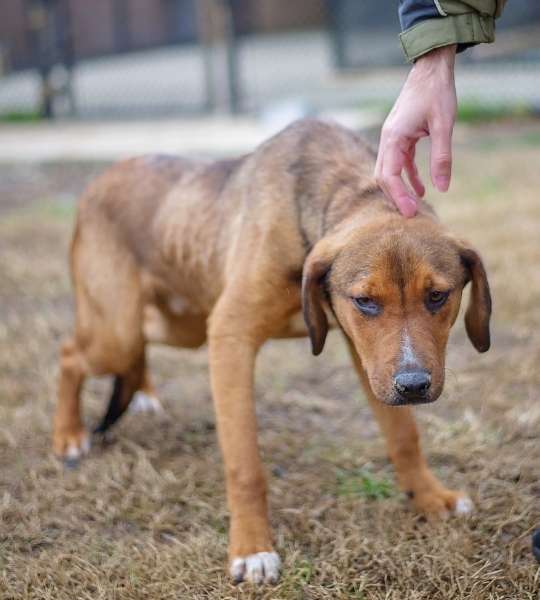
Fear – your dog can have a phobia or a fear which is inducing depression. Dogs display fear in ways different than one would expect.
Your dog might be trying hard not to appear scared around others as this can make him seem more vulnerable.
Instead, he just withdraws himself from normal everyday activities.
Depression in the owner – If you as a dog owner are facing depression or some sort of emotional
turmoil, your dog might sense it. This can lead to anxiety in them if they feel their owner is not happy
or stable themselves.
Signs of depression in dogs
There are several telltale signs that your dog is sad or depressed. As we mentioned above, it turns out there
are a plethora of reasons for which dogs can get depressed.
Dogs can get very emotional at times. It is important that as pet owners, you watch out for these signs and schedule an appointment with your vet at the earliest if you notice any one of these.
1. Your dog seems tired all the time
Dogs, when they experience depression will start laying around the house all the more than usual. They will not want to interact with other people and seems detached from everyday activities which earlier, would make them excited.
Sleeping too often or being lethargic are signs that your dog is depressed. You can confirm this all the more by trying to have them play with their favorite toy. If there is no change in your dog, it might be time to reach out to your vet.
2. Changes in their appetite
Dogs who are stressed and sad may avoid food or drinks. They can also stop eating their normal everyday food items and may start craving human foods. Thus, looking for any change in the normal diet of your dog can be a warning sign of depression.
3. Your dog hides most of the time
If your dog is stressed out, they could be hiding all the more. You can find them sleeping under a couch or a bed. This is a common sign of depression in dogs. If they are experiencing depression, they can try to hide at odd places around the house.
4. Your dog starts licking its feet more
A depressed dog will start licking their feet. This is a way for them to calm down. Constant grooming or feet licking is a sign that they are comforting themselves. You can watch out for this by spending more time with your dog.
5. They stop playing or walking
Depressed dogs will not want to go outside for walks or even play with you. They might seem uninterested when you take out the leash, open the door, or even get their favorite toy.
6. They are not interested in other dogs or people
Dogs often get excited when they see other people or even other animals or dogs. If you find that your pet is showing no interest in other animals or humans, you might want to see your vet about this.
How to help a dog with depression
Now that we have mentioned the signs of depression in dogs, it is time to act up if you notice any of these changes in your dogs.
Although there is no such treatment for depression in dogs and anti-depressants only make them weaker, there are certain methods you can try to alter any behavioral changes they are going through and make them act normal.
Paying more attention to your dog
This goes without saying that if your dog feels neglected or left out by its owner, it may experience sadness or depression. You can try to give them more attention and engage in activities with them that can uplift their mood and make them happy.
Keeping your dog active
This is a proven method of curing’ depression in your dogs and make them stress-free again. Ensure your dog is getting daily exercise and walks.
Try to take them for long walks or even activities which you two would enjoy together like running or hiking. You can also take your dog out for short trips to the market or mall if it is not too much of an inconvenience for you.
Socializing
Dogs are social animals by nature, just like us, humans. They enjoy the company of other animals and people around them. you can take your dog for walks in the park, such as a dog park, where your dog can get to meet other dogs and pets.
You can also try engaging in training sessions for your dogs, where they will get to meet other humans and dogs too.
Having a regular everyday routine
Your dog’s road to recovery from depression lies in a proper schedule that you ensure gets maintained every day. This means having a proper diet, activities, and exercises which will all add to their health and recovery.
Summary
Thus, this article helps you understand the signs of depression in dogs and help them in their recovery
through the points we mentioned. It is important to follow up with your vet at regular intervals to understand if the efforts you implemented are working or not.
Ignoring a dog with depression can lead to him becoming severely withdrawn from activities and can cause permanent changes in its temperament.
Sources
https://www.countryliving.com/uk/wildlife/pets/a30608033/dog-depression/
https://www.thesprucepets.com/do-dogs-get-depression-1112512
https://pets.webmd.com/dogs/features/depression-in-dogs#
http://www.eatingwell.com/article/7669367/signs-your-dog-is-stressed-or-sad/

